

In today's rapidly evolving digital landscape, safeguarding your online presence has never been more crucial. With multiple devices like smartphones, laptops, and tablets playing integral roles in our daily lives, the need for a comprehensive security solution that can protect them all is paramount. A reputable VPN not only offers a shield against cyber threats but also ensures that your online activities remain private and secure. By investing in a VPN that supports several devices, you can create a reliable barrier between your sensitive information and potential intruders, both at home and while traveling.
Choosing the right VPN is essential, especially when you want to secure multiple devices with a single subscription. Not all VPNs are created equal, and opting for a reputable provider can make all the difference in your overall online safety. With strong encryption, robust privacy policies, and the ability to connect several devices simultaneously, a trustworthy VPN enhances your internet experience without compromising your security. Understanding the benefits of a dependable VPN can empower you to navigate the online world with confidence, knowing your data is well-protected.
What is a VPN?
A VPN, or Virtual Private Network, is a technology that creates a secure and encrypted connection between your device and the internet. By routing your internet traffic through a VPN server, your online activities are shielded from prying eyes, including hackers, ISPs, and even government surveillance. This ensures a greater level of privacy and security when accessing the web.
Using a reputable VPN allows users to mask their IP addresses, making it difficult for websites and services to track their browsing habits. This anonymity offers protection while using public Wi-Fi networks and helps prevent data theft in potentially unsafe environments. Additionally, it enables access to geo-restricted content by allowing users to appear as if they are browsing from a different location.
As we increasingly rely on multiple devices such as smartphones, laptops, and tablets, having a reliable VPN that supports several devices becomes crucial. With one subscription, users can maintain consistent security across all their devices, ensuring that privacy is upheld regardless of where or how they connect to the internet.

Benefits of Using a VPN
One of the primary benefits of using a reputable VPN is enhanced online security. A VPN creates a secure, encrypted tunnel for your internet traffic, making it much harder for hackers and cybercriminals to access your sensitive information. This is especially crucial when using public Wi-Fi networks, as these networks are often unsecured and vulnerable to attacks. By encrypting your connection, a VPN protects your data from prying eyes, ensuring your online activities remain private.
Another significant advantage is the ability to access restricted content from anywhere in the world. A reputable VPN allows you to bypass geographic restrictions and censorship by masking your IP address and making it appear as though you are browsing from a different location. This means you can enjoy streaming services, websites, and apps that may be unavailable in your region. With a single subscription, you can connect multiple devices and access these benefits seamlessly, enhancing your overall internet experience.
Using a VPN also helps in maintaining your online anonymity. By hiding your IP address, a VPN prevents websites and advertisers from tracking your browsing habits and collecting your personal data. This added layer of privacy is essential in today's digital age, where data breaches and privacy violations are increasingly common. With a reputable VPN, you not only protect your personal information but also gain more control over your online presence, making it an invaluable tool for anyone looking to safeguard their digital life.
Importance of Reputation in VPNs
When selecting a VPN, its reputation plays a crucial role in determining the quality and reliability of the service. A reputable VPN has been tried and tested by users and security experts alike, often garnering positive reviews and feedback. This trust is rooted in a history of transparent operations, effective customer support, and proven privacy protections. Trusting a VPN with your data means trusting its track record, making reputation an essential factor for anyone looking to secure several devices.
Furthermore, a VPN's reputation often reflects its commitment to user privacy and data security. Well-regarded VPN providers typically employ robust encryption standards and maintain no-log policies, ensuring that users' online activities remain confidential. A strong reputation also indicates that the VPN has successfully navigated potential issues, such as data breaches or legal challenges, without compromising user trust. In an era where digital privacy is paramount, leveraging a VPN with a solid reputation is non-negotiable for securing multiple devices.
Lastly, choosing a reputable VPN helps protect against the growing threat of online scams and phishing attacks. Many lesser-known or untrustworthy VPN services might carry hidden risks, including inadequate protection or even malware. By opting for a reputable VPN, users can ensure their connections on several devices are safeguarded, which is fundamental for maintaining privacy and security while browsing, streaming, or working online. A strong reputation is indicative not just of service quality, but also of a provider's dedication to keeping users protected in an increasingly complex digital landscape.
How VPNs Work
A Virtual Private Network, or VPN, creates a secure connection between your device and the internet. When you use a VPN, it establishes an encrypted tunnel that protects your data from prying eyes. This means that any information you send or receive online is kept private, making it much harder for hackers or even your Internet Service Provider to monitor your activities. Whether you are browsing, streaming, or downloading, a VPN shields your data, ensuring it remains confidential.
When you connect to a VPN server, your internet traffic is routed through that server instead of directly to the websites you visit. This not only hides your real IP address but also allows you to appear as if you are accessing the internet from a different location. This can be particularly useful for accessing geo-restricted content. By masking your IP address, a reputable VPN helps protect your online identity, giving you greater freedom and security while surfing the web.
The encryption techniques used by reputable VPNs are crucial for maintaining your online security. Strong encryption protocols scramble your data, meaning that even if it were intercepted, it would be nearly impossible to decipher. This encryption not only safeguards your information from potential cyber threats but also enhances your privacy by keeping your browsing habits anonymous. Choosing a VPN that utilizes advanced cryptographic technologies is essential for protecting several devices and ensuring a secure online experience.
Choosing a Multi-Device VPN
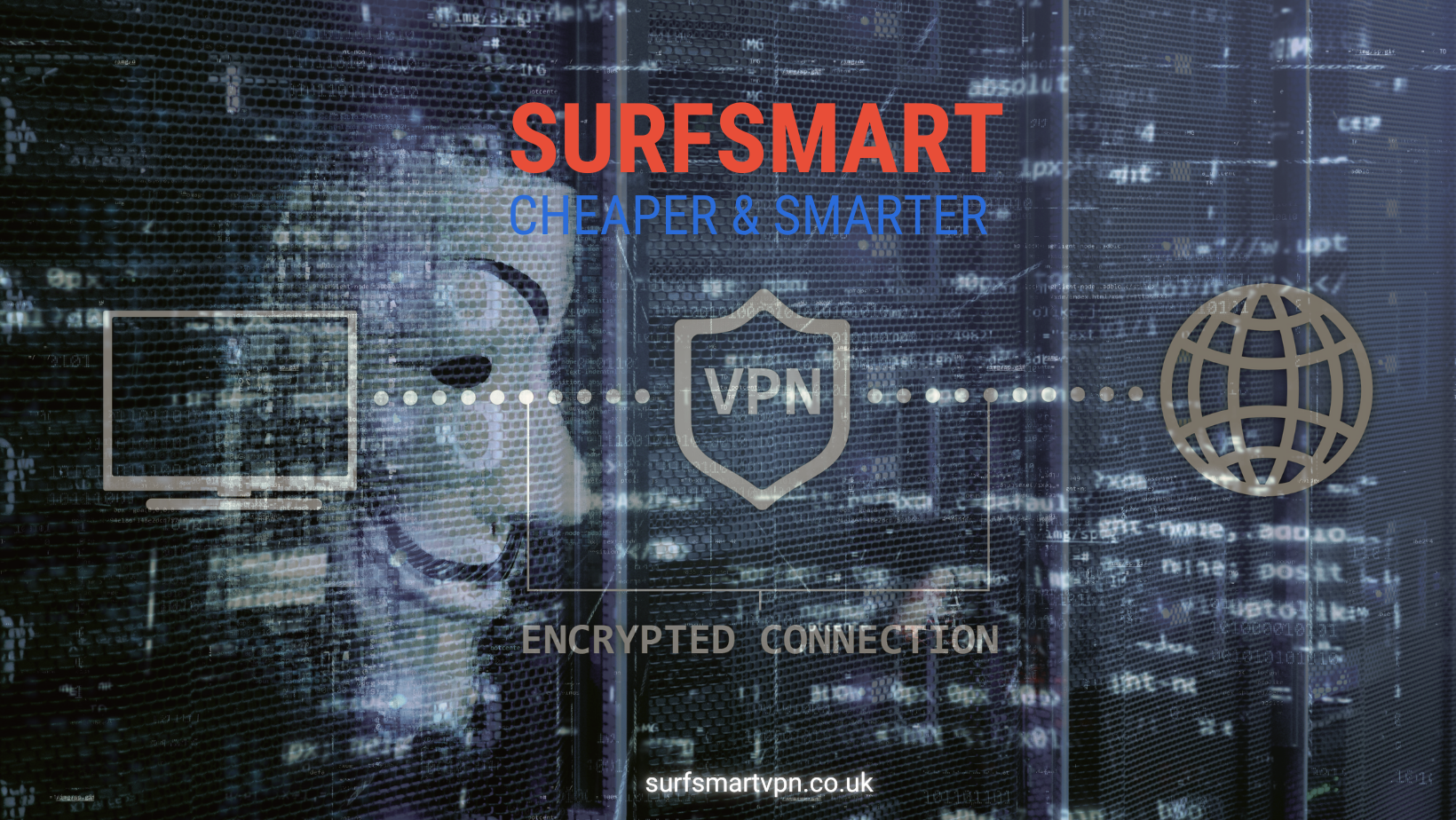
When selecting a multi-device VPN, it is crucial to consider the number of connections allowed under a single subscription. Many reputable VPN providers offer the ability to connect multiple devices simultaneously, which is essential for families or individuals with various gadgets. Look for services that support at least five to ten simultaneous connections to ensure that all personal devices, including smartphones, tablets, and laptops, can be protected at the same time.
In addition to connection limits, examine the platform compatibility of the VPN. A reputable VPN should offer apps for a wide range of operating systems, including Windows, macOS, Android, and iOS. This ensures that no matter what type of device you or your family members use, you can maintain consistent security and privacy. It is also beneficial to check if the VPN can be configured on routers, as this can extend protection to any connected device within your home network.
Lastly, pay attention to the ease of use and customer support. A good multi-device VPN should have a user-friendly interface that simplifies the process of connecting and managing devices. Additionally, responsive customer support is vital in case you encounter any issues during setup or while using the VPN. Look for providers that offer 24/7 support, so you can get help whenever needed, ensuring a hassle-free experience across all your devices.
Top Features to Look For
When choosing a reputable VPN that can protect several devices, one of the first features to consider is simultaneous connections. A good VPN should allow multiple devices to be connected under a single subscription. This feature ensures that all your devices, from smartphones to laptops and tablets, can enjoy secure internet access without the need for additional subscriptions. Look for services that offer at least five to ten simultaneous connections, as this will provide ample coverage for your household or travel needs.
Another important aspect is strong encryption protocols. A reliable VPN should offer high-level security to protect your data from potential threats. Look for features such as AES-256 bit encryption, which is considered the gold standard in the industry. Furthermore, ensure that the VPN supports secure protocols like OpenVPN or WireGuard. These features not only safeguard your online activities but also maintain your privacy while using various devices across different networks.
Lastly, a user-friendly interface and customer support are essential for a seamless experience. A reputable VPN should be easy to install and use on multiple devices, ensuring that even non-technical users can navigate its features with ease. Additionally, look for services that provide 24/7 customer support through multiple channels, such as live chat and email. This support can be crucial when you encounter technical issues or have questions about using the VPN on several devices.
Common VPN Myths Debunked
Many individuals believe that using a VPN guarantees complete anonymity online. While a reputable VPN does enhance your privacy by masking your IP address and encrypting your internet connection, it does not make you completely untraceable. Users should remember that their online activities can still be monitored through other means, such as the websites they visit and personal information they share. A reputable VPN significantly reduces risks, but it is not a cure-all for online privacy concerns.
Another common misconception is that all VPNs provide the same level of service and security. In reality, the effectiveness of a VPN can vary widely depending on its reputation, the quality of its encryption methods, and its server infrastructure. A reputable VPN is specifically designed to protect several devices, offering robust security features and user-friendly interfaces. Choosing a low-quality or free VPN might expose users to more risks than they realize, including data leaks and insufficient privacy measures.
Lastly, some users believe that connecting multiple devices to a single VPN subscription is cumbersome or impossible. On the contrary, reputable VPNs are designed to accommodate several devices simultaneously, making it convenient for families or individuals with various technology. By selecting a reputable VPN that supports multiple devices, users can simplify their online security while enjoying hassle-free access to protected content across all their gadgets.
VPN and Internet Speed
Using a reputable VPN can have varying effects on your internet speed, depending on several factors. Typically, a VPN may introduce some latency due to the additional routing of your internet traffic through its servers. However, many reputable VPN s have optimized their networks to minimize this impact, ensuring that users experience fast and reliable connections even when connected to a VPN. A good VPN should offer speed tests and have a wide range of servers to choose from, allowing you to find the best option for your needs.
Another aspect to consider is the level of encryption used by the VPN. While stronger encryption offers better security, it can sometimes slow down your connection. Reputable VPN providers strike a balance by offering robust encryption protocols that do not significantly hinder speed, ensuring that you can download, stream, and browse without frustrating delays. When selecting a VPN, it is important to read reviews and conduct speed tests to confirm that it delivers optimal performance across multiple devices.
Lastly, your internet service provider's (ISP) initial speed will also play a crucial role in your overall experience. A reputable VPN won't magically enhance your bandwidth; however, it can bypass ISP throttling that occurs when streaming or gaming. By routing your traffic through a VPN, you can maintain better speeds for high-demand activities across several devices, ultimately enhancing your online experience.
VPN Security Protocols Explained
Understanding VPN security protocols is crucial for ensuring that your online activities are protected across several devices. There are several protocols on the market, each offering different balances of speed, security, and compatibility. The most common protocols include OpenVPN, IKEv2/IPSec, and L2TP/IPSec. OpenVPN is often recommended for its robust security and flexibility, while IKEv2/IPSec excels in maintaining connections when switching between networks, making it ideal for mobile devices. L2TP/IPSec, on the other hand, provides a compromise between security and speed but may not be as widely favored due to vulnerabilities compared to its counterparts.
When selecting a reputable VPN, it’s important to consider the strength of these protocols as they greatly influence your online privacy. Strong encryption methods, such as AES-256, work in tandem with these protocols to ensure that data transmitted is nearly impossible to decipher. This level of encryption is particularly vital when using multiple devices, as it maintains a consistent level of security whether you are browsing on your phone, laptop, or tablet. A VPN that prioritizes strong encryption protocols can help safeguard sensitive information against cyber threats.
Additionally, newer protocols like WireGuard are emerging in the VPN landscape, offering improved performance without sacrificing security. As you evaluate VPN services, look for those that implement these advanced protocols while supporting simultaneous connections for various devices. A reputable VPN that takes a proactive approach to its security protocols not only enhances your online safety but also simplifies the management of your digital life across multiple devices.
Conclusion: Protecting Your Digital Life
In today's interconnected world, safeguarding your digital life has become more important than ever. A reputable VPN serves as a crucial tool in protecting several devices, ensuring that your personal information remains private and secure. With cyber threats on the rise, having a reliable VPN can provide peace of mind for individuals and families who are constantly online.
Selecting a VPN that allows multiple device connections is essential for seamless protection across all your gadgets. Whether you are using a smartphone, tablet, or laptop, a reputable VPN allows you to maintain your online privacy without hassle. This multi-device support not only enhances security but also simplifies your overall digital experience, allowing you to browse freely, no matter where you are.
Investing in a trustworthy VPN is an investment in your online security and privacy. By choosing a service that prioritizes strong encryption and reliable performance, you can confidently protect your devices at home and while traveling. Ultimately, a reputable VPN is not just a tool; it is an essential partner in navigating the complexities of digital life.